
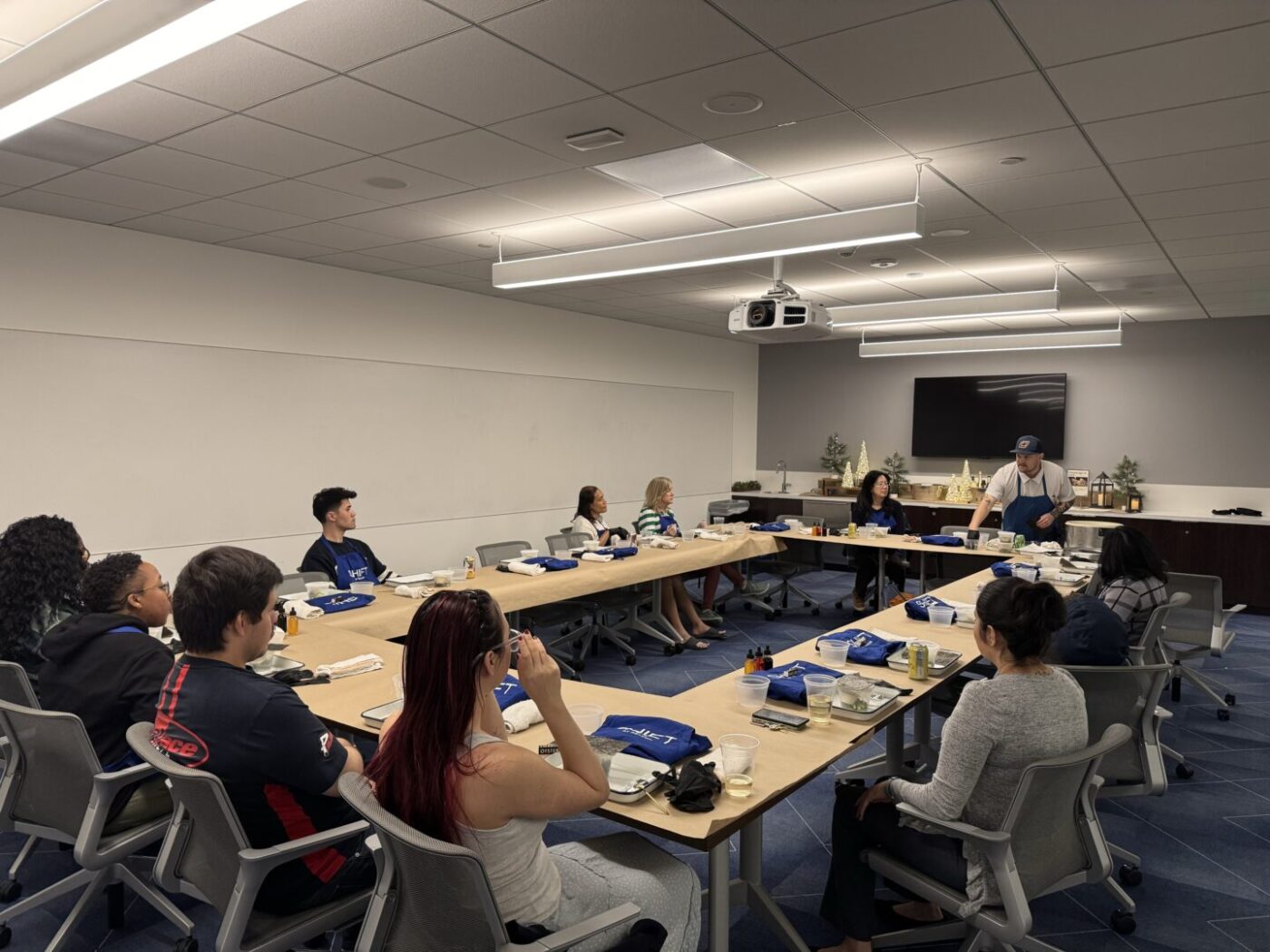
Conference centers are often positioned as a premium feature within a building — but in practice, they’re one of the most underleveraged spaces in commercial real estate.
They’re booked occasionally, used transactionally, and rarely considered part of a broader tenant experience strategy — or as a meaningful contributor to revenue.
But that’s starting to shift.
As workplace expectations evolve, conference centers are becoming less about space and more about impact — how they support productivity, connection, and the overall perception of a building. The properties that recognize this are beginning to treat conference centers not as a standalone amenity, but as a strategic extension of the tenant experience.
1. From Scheduled Space to Daily Utility
Conference centers have traditionally been reserved for large meetings or external gatherings.
The most effective properties are now designing these spaces for day-to-day use, not just occasional need.
That shift comes down to a few key questions:
Can this space support smaller, more frequent interactions?
Does it integrate into a tenant’s regular workflow?
Is it positioned as accessible, or reserved only for “special” use?
These moments reposition the conference center as a shared resource that contributes to the building’s identity — not just a place to meet.
2. From Availability to Intentional Activation
A well-designed space doesn’t guarantee engagement.
What drives consistent use is intentional activation — creating reasons for tenants to return, even without a meeting to host.
This might include:
- Speaker sessions or industry panels
- Professional development programming
- Tenant-led workshops or internal team gatherings
When conference centers become part of a building’s daily rhythm, utilization increases — but more importantly, relevance does.

3. From Amenity to Experience
The value of a conference center isn’t defined by its finishes or square footage — it’s defined by how it’s experienced.
Execution matters:
How seamless is the booking process?
How consistent is the setup and support?
How confident are tenants bringing clients or leadership into the space?
This is where hospitality thinking becomes critical — not as an added layer, but as the standard.
It also shows up in the details tenants don’t expect, but remember — seasonal touches, thoughtful enhancements, or small shifts in the environment that reflect the time of year and elevate the overall experience. These aren’t always requested, but they’re often what make a space feel considered and memorable.
At Simpli, we’ve seen that when conference centers are supported by thoughtful coordination and a clear understanding of tenant needs, they become one of the most relied-upon spaces in the building — not because they’re required, but because they’re trusted.
Conference centers have the potential to be far more than a functional amenity.
When approached intentionally, they become a daily resource, a platform for engagement, and a reflection of the building’s overall experience standard — while also creating opportunities for consistent, revenue-generating use.
In a market where differentiation comes down to how space is used — not just how it’s designed — the conference center is one of the clearest opportunities to get it right.
Check out other Simpli blogs
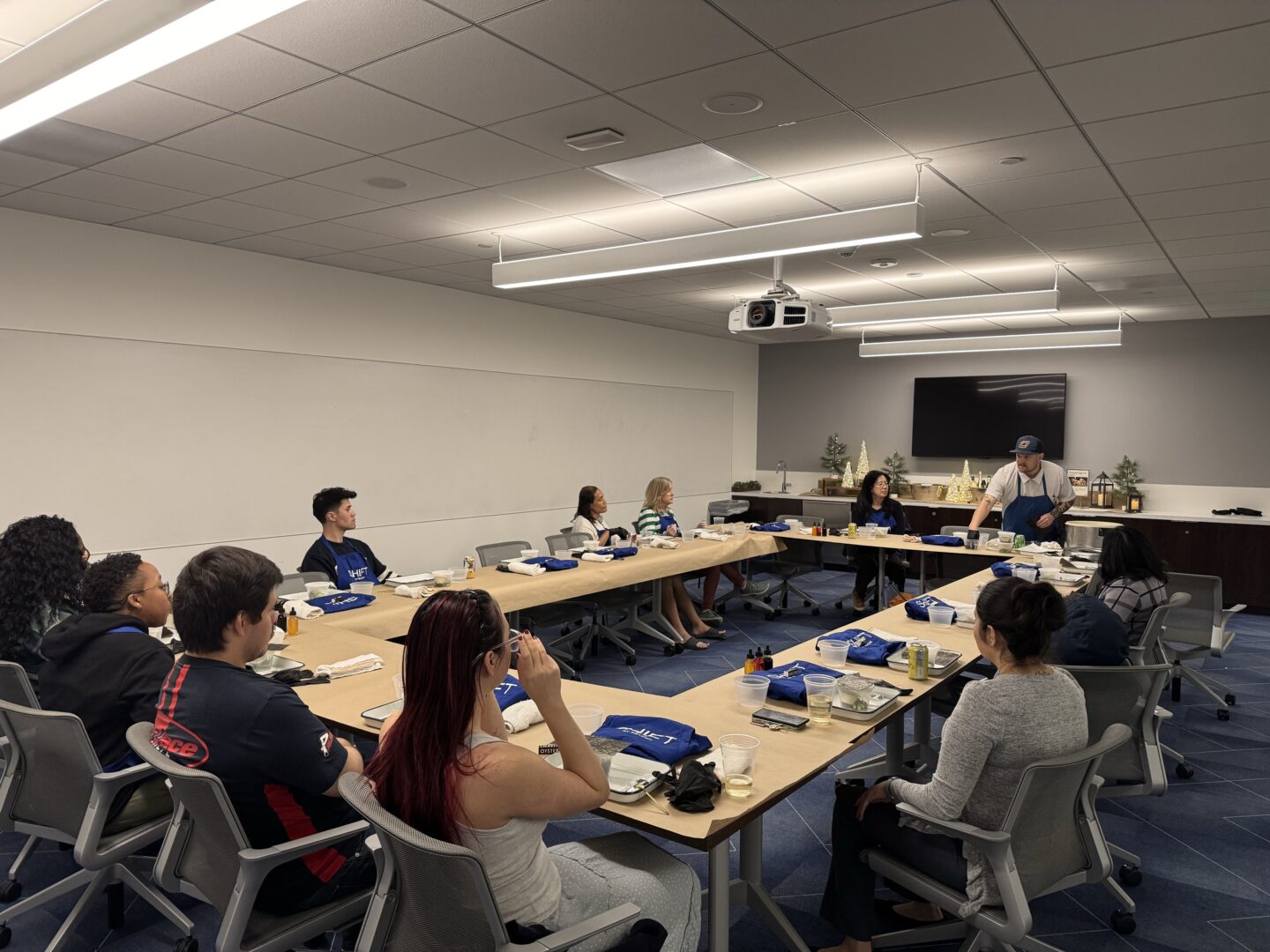
3 Ways to Rethink the Conference Center as a Strategic Amenity
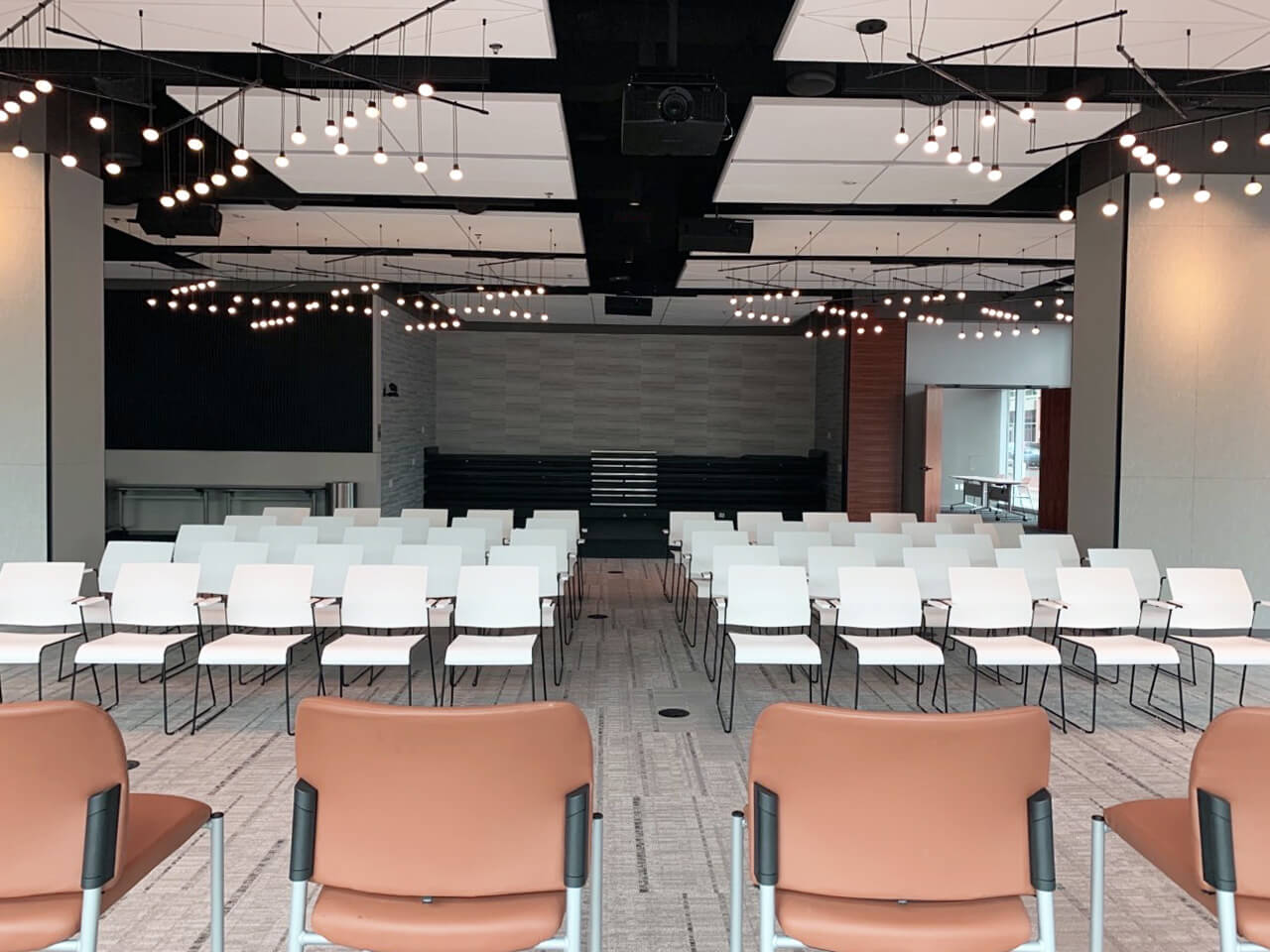
Designing Meeting Spaces for the Modern Workplace: Why Conference Centers Fail — and How to Get Them Right from Day One

The Metric That Matters Most Isn’t Your Lease Term

From Tenant to Community Member: The Rise of Mixed-Use Experience Models
