For years, conference centers were designed around a simple assumption:
If you build enough meeting rooms, tenants will use them.
Today, that assumption no longer holds.
Hybrid work, evolving tenant expectations, and increased competition between assets have changed how meeting space is evaluated. Conference centers are no longer passive amenities — they are becoming hospitality-driven experience environments that influence tenant satisfaction, leasing competitiveness, and overall asset performance.
Yet many new conference centers still launch underutilized. Not because they lack quality finishes or technology, but because they were designed without a clear strategy for how people actually meet and collaborate today.
The most successful modern meeting spaces are designed around behavior, flexibility, and real-world usage patterns — not just square footage.
Why Many Conference Centers Underperform
No Clear Usage Identity
Spaces designed for “everyone” often serve no one particularly well.
Without defining primary users, ideal meeting types, and expected demand patterns, tenants default to internal meeting spaces.
Operational Friction
Even strong design fails when booking, access, and setup processes are unclear.
In a hospitality-led workplace, ease of use is as important as aesthetics.
Launch Without Behavioral Introduction
Conference centers often open with a single event — but not with structured education on how the space should be used.
Without this step, adoption can take months, or never fully happen.
Designing for How Work Actually Happens
Forward-thinking owners are designing conference centers as programmable, activation-ready environments rather than static meeting rooms.
Successful spaces prioritize:
Flexibility Without Complexity
Spaces must transition easily between meetings, trainings, town halls, and tenant-hosted events.
Experience Layers That Support Comfort and Clarity
Acoustic comfort, wayfinding, and visual cues all influence adoption more than most teams expect.
Operationally Informed Design
Booking strategy, turnover workflows, and storage planning must be built into design decisions — not added later.
Launch as Behavior Change, Not Celebration
Opening a conference center is not just about announcing a new amenity.
It is about introducing a new way of working inside the building.
The most effective launches demonstrate real use cases, show tenants how to access and book the space, and create early usage patterns that support long-term adoption.
What Leading Owners Are Doing Differently
Leading assets are:
- Bringing experience strategy into design earlier
- Aligning leasing, operations, and experience teams before opening
- Designing conference centers to support ongoing activation and programming
- Treating meeting spaces as part of a broader hospitality-driven workplace strategy
The New Standard for Conference Centers
Conference centers are increasingly tied to:
- Tenant retention
- Leasing differentiation
- Portfolio experience positioning
- Amenity performance optimization
The real differentiator is whether a conference center is designed around how tenants actually use space — not just how space has traditionally been built.
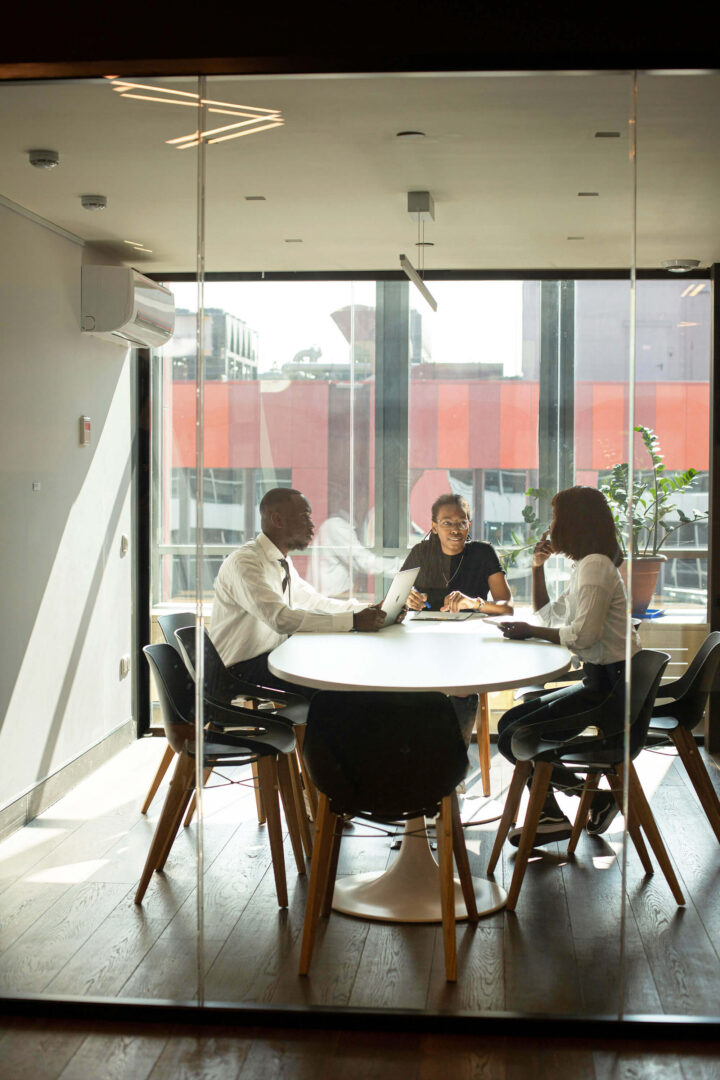
The conversation is shifting from whether a building offers meeting space to how intentionally that space supports modern workplace behavior.
Check out other Simpli blogs
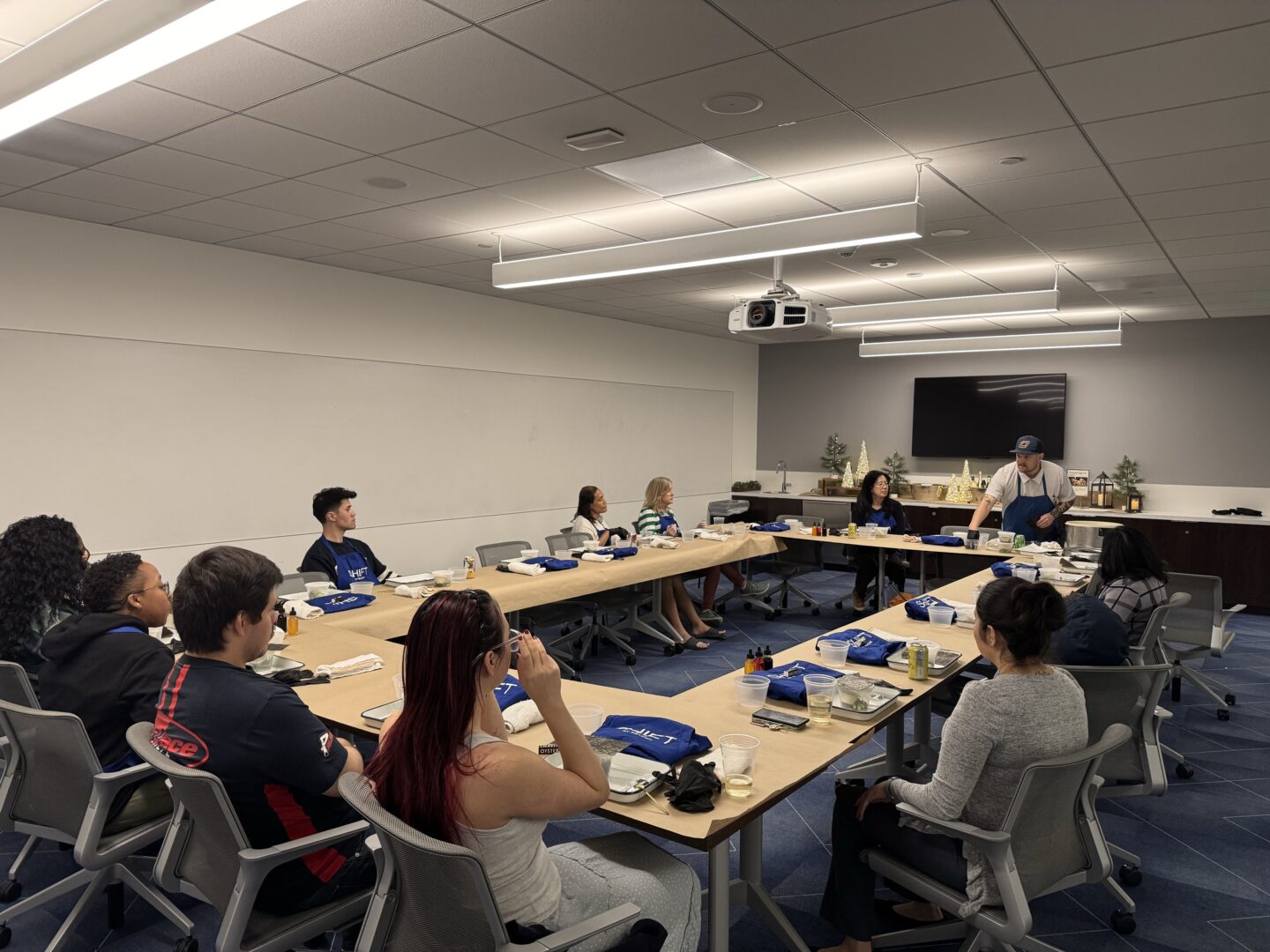
3 Ways to Rethink the Conference Center as a Strategic Amenity
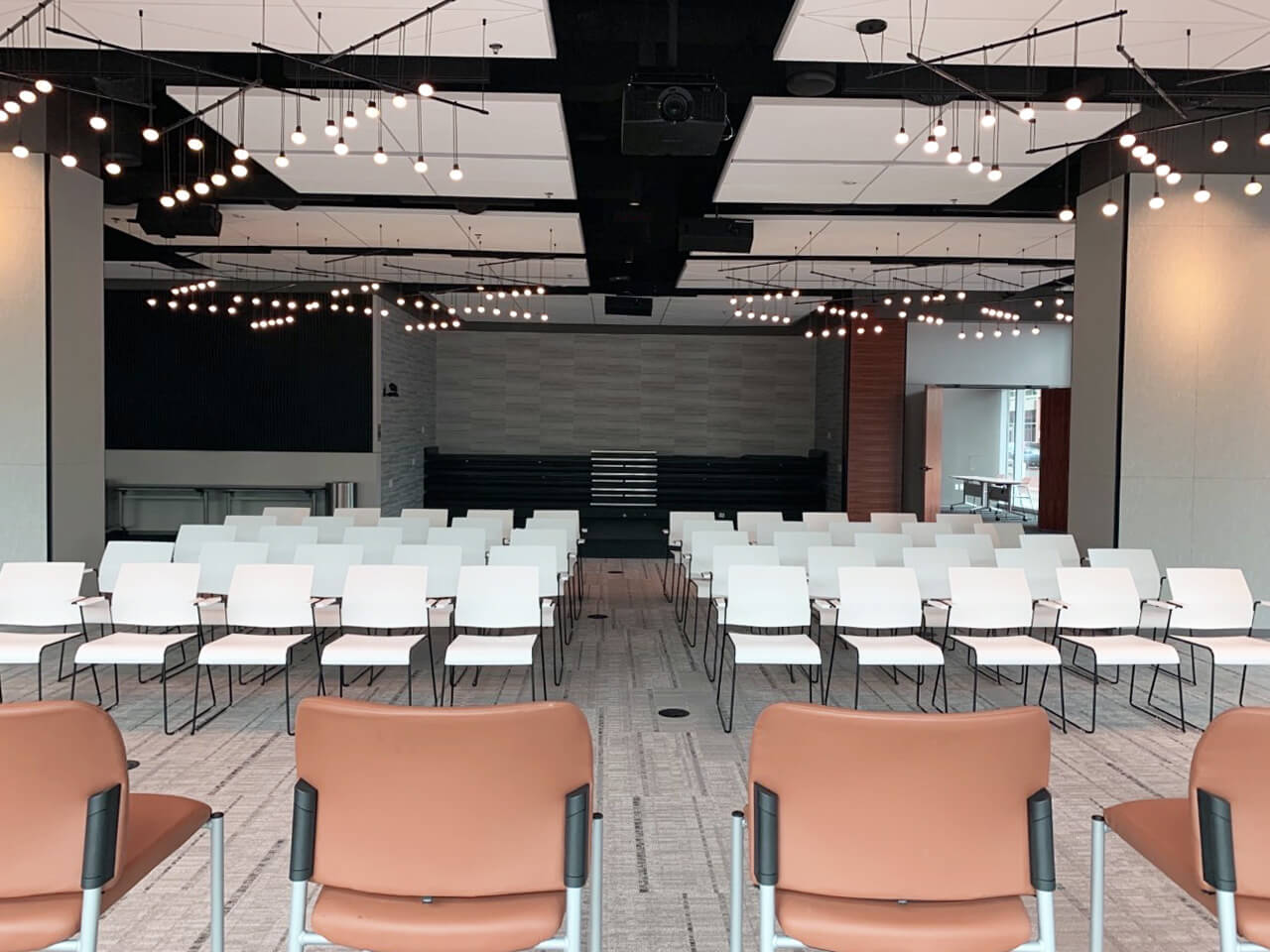
Designing Meeting Spaces for the Modern Workplace: Why Conference Centers Fail — and How to Get Them Right from Day One

The Metric That Matters Most Isn’t Your Lease Term

From Tenant to Community Member: The Rise of Mixed-Use Experience Models
