
Why mixed-use environments increasingly rely on hospitality-led experience strategies — and what leading CRE research reveals about this shift.
Commercial real estate is shifting from an occupancy-driven model to one centered on connection. As hybrid work reshapes routines and consumers seek convenience, people are gravitating toward environments where work, lifestyle, and amenities intersect. Mixed-use developments meet this demand — but only when experiences are intentionally designed to unify diverse user groups.
Why Mixed-Use Is Emerging as CRE’s Next Operating Model
Convenience Is Redefining Demand
Retail availability rates remain near record lows, reflecting sustained tenant demand and consistent consumer activity — especially in amenity-rich districts (CBRE U.S. Retail Trends). At the same time, people are increasingly drawn to environments where work, living, retail, and social experiences blend seamlessly (JLL Mixed-Use & Placemaking Insights).
In markets like Chicago’s Fulton Market, mixed-use momentum continues to outperform traditional office corridors, fueled by strong retail anchors and diversified daily traffic (CBRE Chicago Market Reports).
Mixed-Use Outperforms Single-Use Assets
Mixed-use properties consistently demonstrate greater resilience and revenue diversification than standalone office or retail. Serving residents, workers, visitors, and retailers simultaneously creates multiple demand streams and deeper stability (JLL U.S. Outlook).
All indicators point to a clear trend: mixed-use environments are thriving because they mirror how people want to live, work, and engage in a hybrid world.

Mixed-Use Success Comes from Ecosystem Design
Value in mixed-use environments is generated through interaction, not just occupancy. When office tenants, residents, and visitors engage through shared spaces and experiences, assets benefit from:
- Higher dwell times
- Stronger retail performance
- Increased tenant loyalty
- More resilient leasing momentum
These outcomes reflect the fundamental strength of treating mixed-use audiences as an interconnected ecosystem rather than isolated segments (JLL Research).
The Experience Model Behind High-Performing Mixed-Use Assets
- Integrated Amenity & Activation Strategy
Amenities and programming work best when they’re designed to bring different user groups together. Shared events, flexible common areas, and cross-audience experiences help create steady activity throughout the day and strengthen the overall energy of the property.
- Human + Digital Touchpoints
Blending on-site presence with digital tools creates a fuller picture of how people use a space. Human interaction drives connection, while digital platforms capture preferences and patterns — giving operators the insight they need to refine offerings and stay responsive.
- Engagement Measurement as a Performance Indicator
Monitoring participation, frequency, and interaction across audiences provides tangible indicators of community health. These engagement patterns help operators understand what’s working, where to invest, and how experience strategy is contributing to retention and leasing performance.

Rethinking What Drives Value
People’s expectations are changing, and the assets that bring work, convenience, and connection together are rising to the top — while single-use properties face new challenges. With limited new office development in the pipeline, differentiation now relies less on architecture and more on the connective tissue of experience.
Properties that cultivate daily engagement, belonging, and multi-audience interaction are proving more resilient and better aligned with modern user behavior. This shift underscores a broader industry evolution — one where value is created not only by the physical environment but by the way people move through it and connect within it.
Mixed-use developments succeed when they function as integrated ecosystems rather than collections of tenants. Hospitality-led experience strategy — intentional, human-centered, and insight-driven — is becoming the differentiator that shapes long-term performance and asset value.
The future of CRE will belong to leaders who recognize that buildings are no longer simply places to lease. They are places to participate, connect, and belong — and the experience model behind them will increasingly define their success.
Check out other Simpli blogs
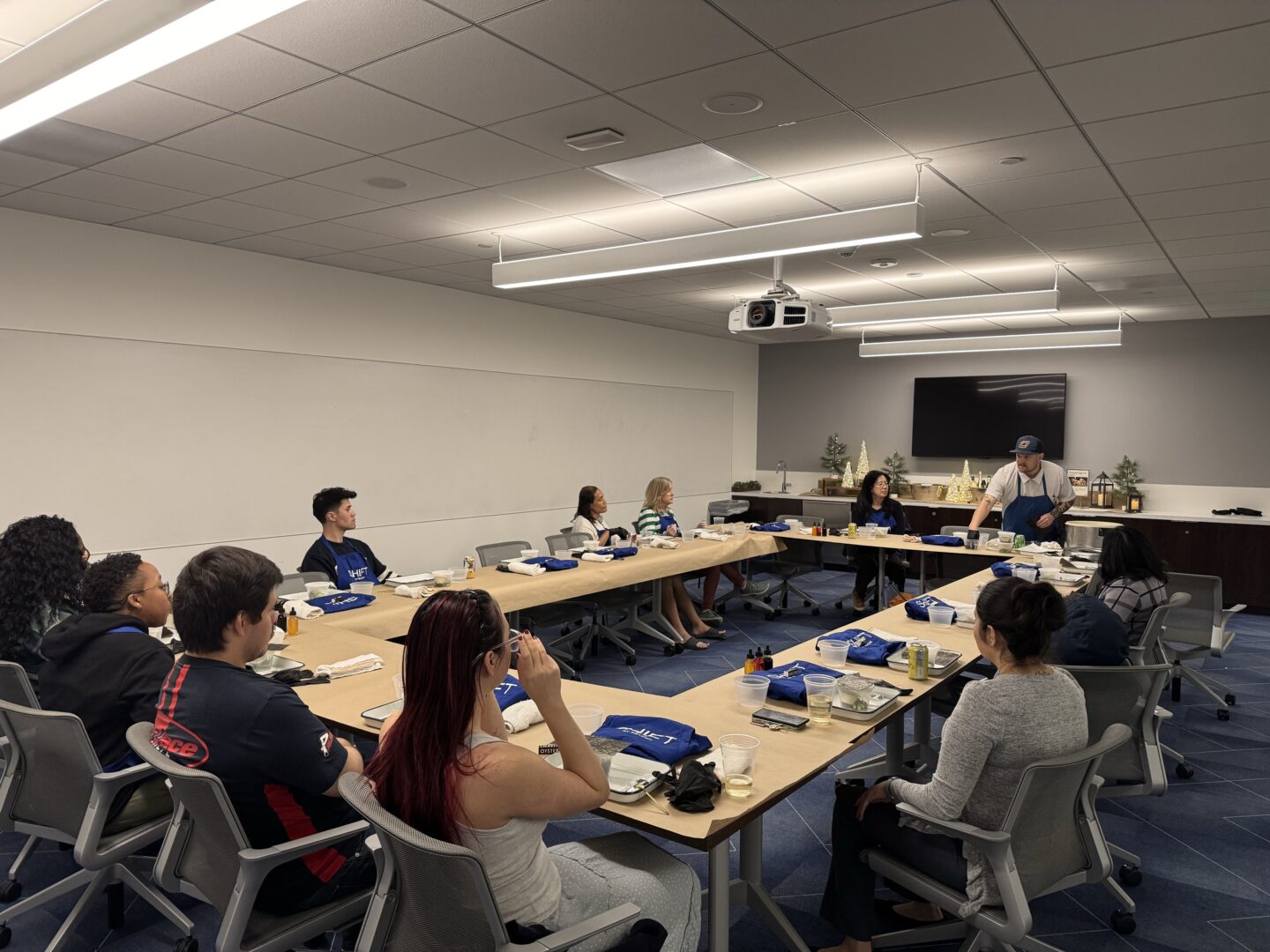
3 Ways to Rethink the Conference Center as a Strategic Amenity
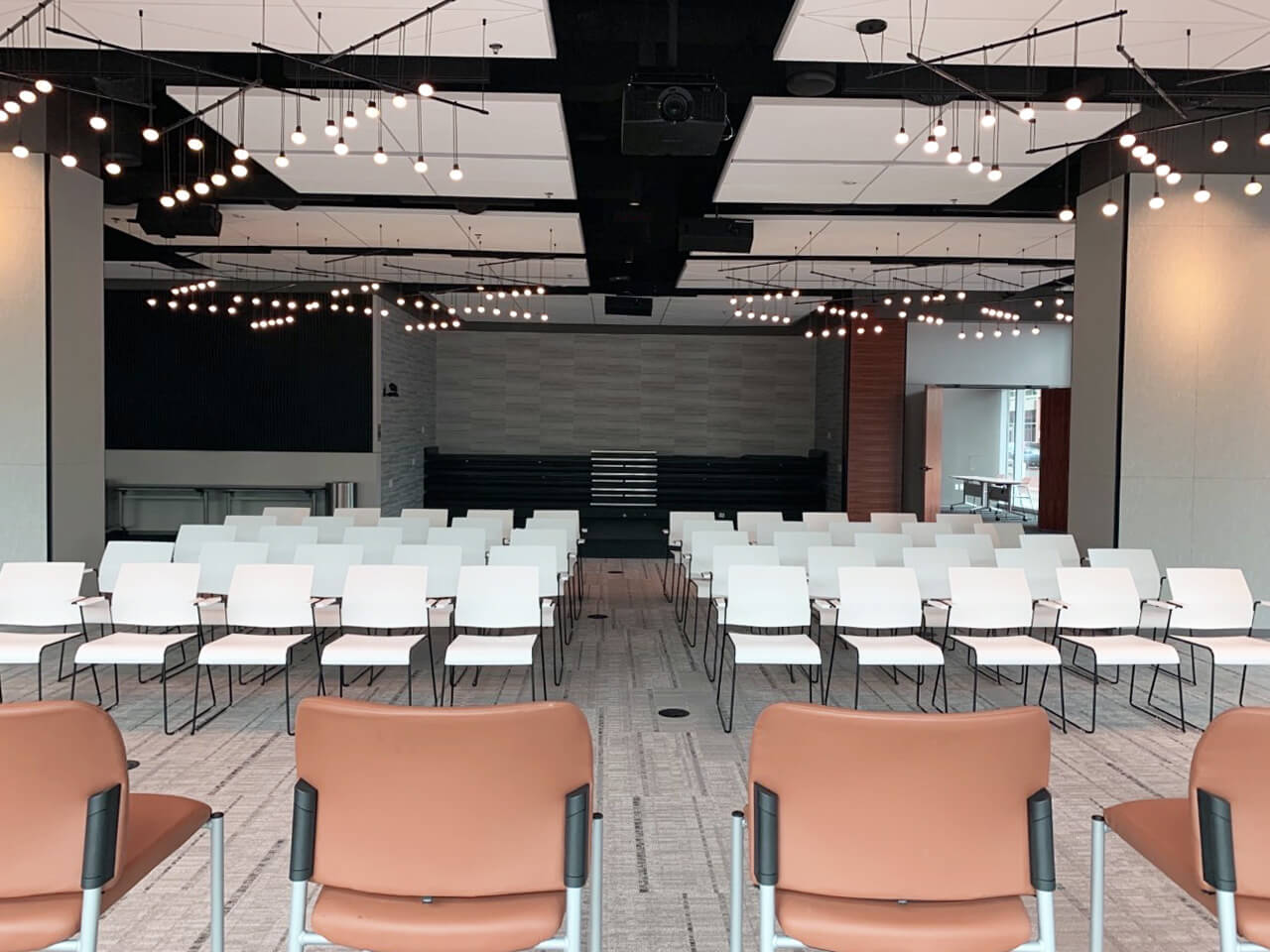
Designing Meeting Spaces for the Modern Workplace: Why Conference Centers Fail — and How to Get Them Right from Day One

The Metric That Matters Most Isn’t Your Lease Term

From Tenant to Community Member: The Rise of Mixed-Use Experience Models
