

Commercial real estate has changed. A great location, beautiful lobby and impressive amenity package are still important, but they are no longer enough on their own.
Today, tenants expect more from the places where they work. They want convenience, connection, hospitality, flexibility and spaces that are easy to navigate and enjoyable to use. For owners, that means the experience inside a building has become an increasingly important part of how a property is perceived, utilized and differentiated.
That is where Experience Management comes in.
So, What Is Experience Management?
Experience Management is the strategy and ongoing management behind how people experience a property every day.
It brings together the people, services, amenities, programming, communications and technology that shape the tenant experience and ensures they work together rather than operating as separate offerings.
Depending on the property, an Experience Management program may include:
- Hospitality and concierge services
- Amenity management and activation
- Tenant programming and events
- Wellness offerings
- Local partnerships, perks and conveniences
- Tenant communications and marketing
- Community engagement
- Experience technology
- Utilization and engagement reporting

The exact mix should look different from property to property. A trophy office building in a downtown market may have very different needs than a suburban campus, residential community or mixed-use development.
The goal isn’t to offer everything. It’s to understand the people using the property and create the right combination of services and experiences for that particular asset.
It Is More Than Events
Events can be a valuable part of an Experience Management strategy, but they are only one piece of it.
A successful program considers the full experience.
How easy is it to reserve the conference center? Do tenants know what services are available to them? Is the fitness center being used? Does someone arriving at the property feel welcomed? Are communications reaching people? Are amenities being activated in ways that make them more valuable? Are programs evolving based on participation and feedback?
These everyday interactions are what ultimately shape someone’s perception of a property.
Experience Management connects those individual touchpoints into a more intentional experience.

Amenities Need More Than Great Design
Owners have made significant investments in conference centers, fitness facilities, lounges, rooftops, outdoor spaces and other shared amenities.
But building an amenity is only the beginning.
Someone still needs to manage it, market it, program it and continually evaluate how people are using it.
A beautifully designed space that sits empty isn’t delivering its full potential.
Experience Management helps bridge the gap between having amenities and creating value from them by giving people reasons to discover, use and return to those spaces
Hospitality Is the Human Side of the Strategy
Technology and amenities matter, but the human experience still matters enormously.
Hospitality in commercial real estate can show up in many ways: an Experience Manager who knows the tenants, a concierge resource that makes someone’s day easier, thoughtful programming, a warm welcome or simply having someone who can solve a problem quickly.
These interactions may seem small individually, but together they influence how people feel about where they work and spend their time.
The best Experience Management programs combine operational consistency with genuine hospitality.

Technology Should Support the Experience, Not Define It
Technology can make a strong Experience Management program even better.
A digital platform can centralize communications, amenity reservations, events, perks, wellness offerings, building information and other resources while also providing valuable insight into engagement and utilization.
But technology alone isn’t an Experience Management strategy.
The most effective approach combines technology with people, programming, hospitality and thoughtful operations. The platform becomes the connector that makes the overall experience easier to access and understand.

Experience Management Should Be Measurable
As Experience Management becomes a larger part of a property’s strategy, owners should expect more than a busy calendar of activities.
Programs should provide insight into what people are actually using and responding to.
That may include amenity utilization, program participation, digital engagement, tenant feedback, repeat participation, service usage and other measures of engagement.
The objective is not simply to prove that activity happened. It is to understand what is working, identify what isn’t and continually improve the experience.

Why It Matters to Owners
Ultimately, Experience Management is not about adding more things to a building.
It is about getting more value from what is already there while creating an environment people want to use and return to.
For commercial real estate owners, a thoughtful Experience Management strategy can help:
- Differentiate an asset in a competitive market
- Increase awareness and utilization of amenities
- Strengthen tenant engagement
- Support leasing and retention efforts
- Create greater consistency across a portfolio
- Provide meaningful insight into what tenants value
- Bring a hospitality mindset to the everyday property experience

As buildings continue to compete not only on location and physical space but also on the experience they provide, the way those experiences are managed matters.
From Space to Experience
At Simpli, we’ve spent more than 30 years working within commercial real estate and watching the expectations of tenants evolve.
What began with hospitality and concierge has expanded to include programming, wellness, amenity management, communications, technology, data and more. But the principle behind it remains the same: great real estate is ultimately experienced by people.
Experience Management brings those pieces together with intention.
Because the goal isn’t simply to have great amenities, host great events or offer great technology.
It’s to create a place people genuinely value being part of.
Check out other Simpli blogs
What Is Experience Management in Commercial Real Estate?

When Every Building Has Great Amenities, What Actually Sets Yours Apart?

3 Ways to Rethink the Conference Center as a Strategic Amenity
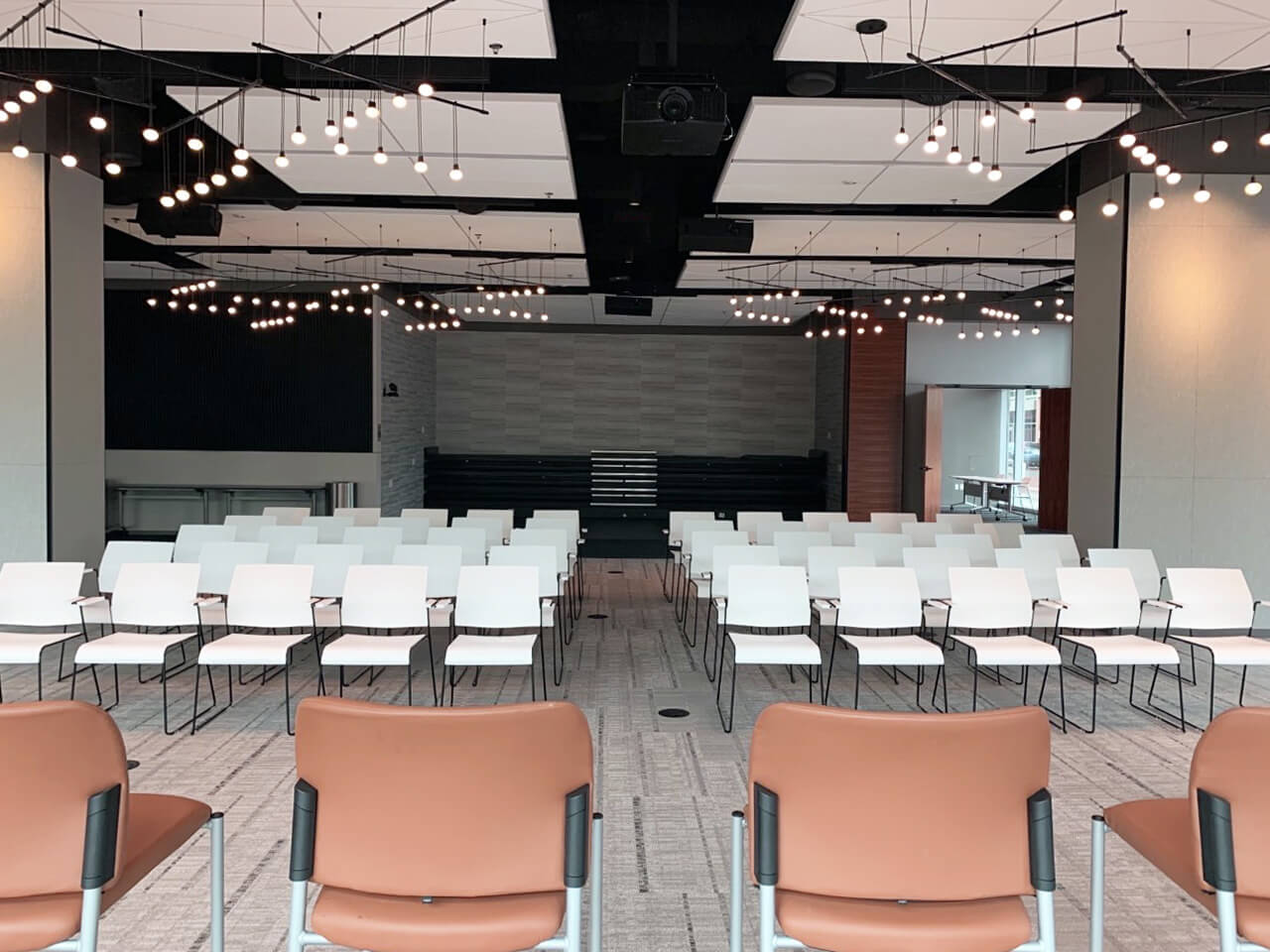
Designing Meeting Spaces for the Modern Workplace: Why Conference Centers Fail — and How to Get Them Right from Day One
